
Last Updated: November 8, 2026
Quick Summary
Historic home restoration is the process of returning a heritage property to its documented original condition using evidence-based methods, period-appropriate materials and specialist trades. It differs from renovation, which modernises a home, and from remodelling, which changes its form. The work generally follows a sensible sequence: reading the building, assessing its condition, planning approvals and budget, then executing in order.
- Establish your property's heritage status and controls with your council in week one.
- Repair original joinery by default; splice in matching timber rather than replacing whole runs.
- Hold a contingency of at least 15 per cent on top of your restoration budget.
- Rough in electrical, plumbing and heating before any plastering or painting begins.
- Clear gutters twice a year and keep external timber painted to protect the investment.
Table of Contents
- What Historic Home Restoration Actually Involves
- Heritage-Listed Home Renovation: Approvals and Overlays
- Restoring Original Features Without Losing Character
- Choosing Heritage Restoration Materials That Last
- Budgeting and Sequencing a Restoration Project
- Historic Home Maintenance After the Work Is Done
- Sourcing Period Fixtures and Fittings for Your Project
- Frequently Asked Questions
What Historic Home Restoration Actually Involves
Historic home restoration is the process of returning a heritage property to its documented original condition using evidence-based methods, period-appropriate materials and specialist trades.
That sequence matters because heritage restoration rewards patience and punishes shortcuts.
Below, we walk through each phase, the decisions that trip people up, and how to choose materials that will still be there in fifty years.
Reading the Age and Architectural Style of Your Home
Before anything is ordered or removed, establish what you actually have. The age of a period home determines which features are correct: a Victorian terrace, an Edwardian villa and a Federation residence each used different joinery profiles, door furniture and hardware finishes. Title records, rate books, old survey plans and the style of existing cornices, architraves and ceiling roses will help you date the building and read its architectural style.
Assessing Condition Before You Commit
A condition assessment is a room-by-room record of what is sound, what is failing and what has already been altered. Get a building inspector experienced with older construction to check the property's condition before work starts. Photograph everything before work starts. The hidden defects found at this stage are the ones that decide whether your project is a careful restoration or a structural repair job, and they will shape your budget more than any finish choice.
Heritage-Listed Home Renovation: Approvals and Overlays
Heritage-listed home renovation almost always requires approval before work begins, and the rules sit with your local council and the state or territory planning system rather than with any single national body. The single most useful thing you can do in week one is establish exactly what controls apply to your address, because the answer determines your timeline, your budget and which trades you can book.
Step 1: Find out whether your property is listed or covered by an overlay
Start with your council's planning or heritage department and ask for a written statement of the property's status. There are three common situations, and they carry different obligations:
- Statutory listing on a state or territory heritage register, or on the Commonwealth Heritage List for places with a Commonwealth connection. Listing usually triggers a referral or permit process through the relevant heritage authority before changes are approved.
- A heritage overlay or local heritage schedule in the council planning scheme. This controls external alterations, demolition, and sometimes visible internal works, and is administered by the council through the planning permit system.
- A heritage citation or conservation management plan attached to the property. This is the document that tells you what is significant and what is not, and it is the document assessors actually read when deciding your application.
Ask specifically for the heritage citation, any incorporated or reference document, and the date the controls were applied. If the property sits in a precinct rather than being individually listed, the precinct citation still governs what you may change to the street-facing fabric.
Step 2: Work out which approvals you need
Most projects fall into one of three approval pathways, and some need more than one:
| Approval type | Who grants it | When it applies |
|---|---|---|
| Planning permit | Local council | Alterations, additions or demolition affecting a heritage overlay |
| Heritage permit or approval | State or territory heritage authority | Works to a place on a statutory heritage register |
| Building permit | Private building surveyor or council | Any structural, fire, plumbing or electrical work |
A planning permit and a building permit are separate processes and neither substitutes for the other. Heritage approval can also be required for works that would otherwise be exempt from planning, so never assume a small job is outside the system.
Step 3: Use pre-application advice before you lodge
Many councils offer a pre-application meeting or written advice service for heritage proposals, and it is often worth the time spent on the project. Bring a sketch plan, photographs of the existing fabric, and a short statement of what you believe is significant and why. Councils will tell you where a proposal is likely to fail, which elements they consider contributory, and whether they want a heritage consultant's report or a conservation management plan with the application.
Step 4: Frame the project as conservation, not improvement
Repairs that match existing form, materials and finish are treated far more generously than alterations, and the language of your application matters.
Watch out: starting work before approvals are in hand is the most expensive mistake in heritage renovation, because councils can issue stop-work and enforcement notices and require reinstatement of removed fabric, which turns a planned repair into an unplanned rebuild.
Step 5: Keep the approval conditions on site
Every approval comes with conditions, and your builder needs them before mobilising. Keep a single folder with the permit, the endorsed plans, the heritage citation, and any condition requiring supervision, samples or photographic recording of fabric before removal. If a condition requires a heritage adviser to be present at a stage of work, book that attendance into the program early, because specialist availability often drives the critical path.
Restoring Original Features Without Losing Character
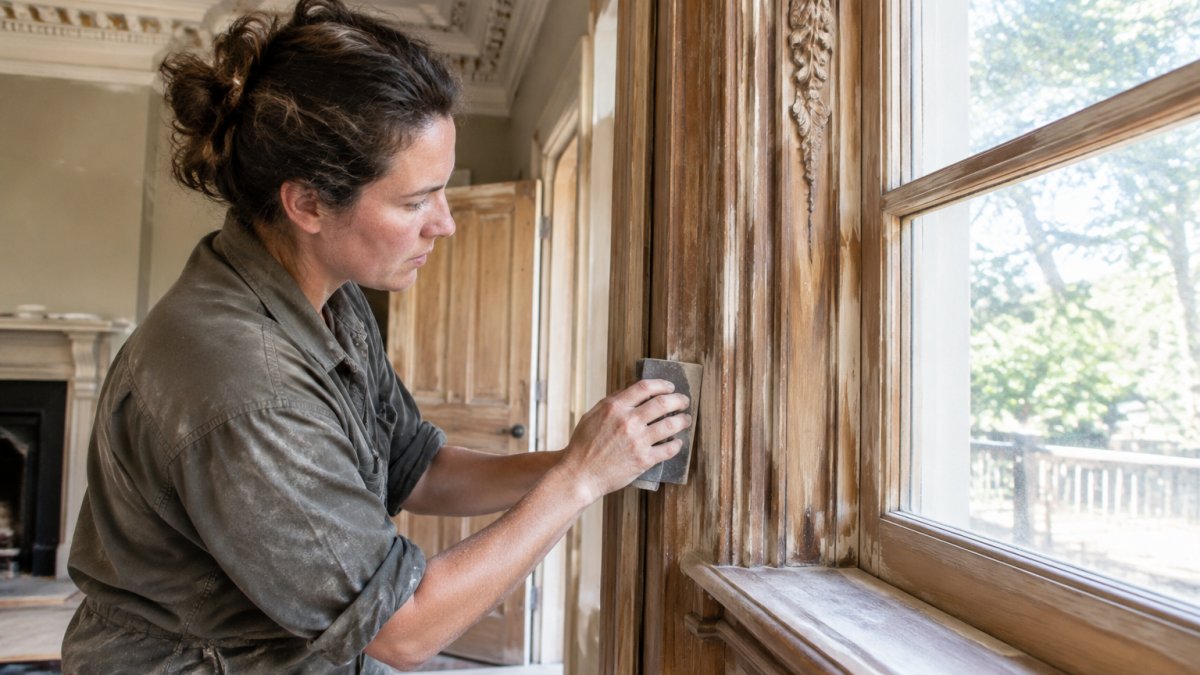
Restoring original features is where most of the character in a period home is won or lost. Preserving sound original joinery also protects the home’s distinctive appeal, a quality that can matter when weighing restoration choices against resale value, as Capitol Design considers.
Matching replacement fittings to the era of the house keeps restored features consistent with its character, and our guide on matching door handles to your home era walks through the correct styles by period.
Repair or Replace: How to Decide
Repair is the default and replacement is the exception, but there are honest limits. Use this rule of thumb:
| Condition | Decision | Why |
|---|---|---|
| Surface wear, paint build-up, minor splits | Repair | Original material and profile retained |
| Localised rot or a broken section | Splice in matching timber | Keeps most of the original fabric |
| More than half the section lost | Replace with a matched profile | Structural integrity is gone |
| Hardware missing or seized beyond freeing | Replace with period-correct reproduction | Function restored, style kept |
Watch out: replacing an entire run of skirting because one section is rotten is the most common expensive mistake in period work. A joiner can splice a new piece into the existing profile.
Choosing Heritage Restoration Materials That Last
Heritage restoration materials should match the original in species, profile and finish, because mismatched materials fail differently and look wrong within a few years.
For metalwork, cast iron and solid brass outlast plated reproductions and can be repaired rather than discarded. Finishes matter too: unlacquered brass ages and can be polished back, while lacquered finishes flake and cannot be easily restored.
Budgeting and Sequencing a Restoration Project
Budget for a restoration in three tiers: essential structural and safety work, conservation of original fabric, and cosmetic finishes. Hold a contingency of at least 15 per cent on top, because opening up a wall or floor in an old house reliably reveals something nobody quoted for. Get the structural and services work done first, then plaster and joinery repairs, then finishes and hardware last so nothing is damaged by later trades.
Sequencing is where budgets quietly blow out. Electrical rewiring, plumbing and heating should all be roughed in before any plastering or painting, and heritage approvals should be in hand before any of it starts. If you are staging the work across several years, complete one room fully rather than half-finishing several, because protection of partly finished period interiors is expensive and rarely successful.
Historic Home Maintenance After the Work Is Done
Historic home maintenance is what protects the investment, and it is mostly about water. Clear gutters twice a year, check roof flashings and downpipes after storms, and keep external timber painted so moisture cannot get behind it.
Internally, avoid silicone and abrasive cleaners on original hardware. Brass and iron respond well to gentle cleaning and a suitable wax, and original mechanisms last longer when lubricated annually.
Sourcing Period Fixtures and Fittings for Your Project
Sourcing is the stage where a good restoration is either finished properly or compromised at the last moment.
Consistency across multiple orders matters on larger jobs.
At Restoration Station, we keep an extensive range of period lighting, cast iron fireplaces and traditional architectural hardware, and our team can advise on restoration, renovation and remodelling projects.
Restoring a heritage property asks you to make dozens of small decisions that will outlast you, and getting the fittings right is one of the few you can lock in early.
Frequently Asked Questions
Where should you start when restoring a historic home?
Start with a condition assessment rather than a shopping list. A building surveyor or heritage consultant can document structural issues, moisture problems and original fabric before any work begins. From there, confirm whether your property falls under a heritage overlay or listing by checking with your local council, then set a sequenced plan: structural repairs first, services and weatherproofing second, cosmetic finishes last. Historic home restoration goes wrong when decorative work is done before the underlying problems are fixed.
What approvals may be needed before altering a heritage-listed home?
Heritage controls vary by state, territory and local council, so the first step is checking your planning certificate and any heritage overlay that applies. Many councils require a heritage permit or planning approval for external alterations, demolition, or new additions visible from the street, and some require a conservation management plan for larger works. Engage a consultant who has worked with your council before. Getting approval before you order heritage restoration materials avoids costly changes mid-project.
How can you tell whether a period feature should be repaired or replaced?
Repair is usually preferred where the original fabric is structurally sound, because retaining original features protects both character and resale appeal. Timber frames, cast iron lacework and pressed metal ceilings can often be repaired by a specialist. Replacement makes more sense when a feature is unsafe, has already been replaced with a poor modern substitute, or is missing entirely. Ask a specialist tradesperson for a written assessment of each feature before deciding, and keep any removed original pieces for matching profiles.
Which traditional materials and finishes suit a historic home?
Match materials to the period and to how the building was originally constructed. Federation and Colonial homes typically used timber, lime-based mortars, cast iron and pressed metal, while later periods introduced different brickwork and joinery profiles. Avoid cement-rich mortars on older masonry because they trap moisture and damage soft bricks. For paints and finishes, breathable products suit period walls better than sealed modern coatings. A supplier experienced in heritage restoration materials can confirm what suits your home's era.
How do you find tradespeople experienced in heritage restoration?
Look for tradespeople with documented heritage project experience, not just general renovation work. Ask for references from comparable period homes, check whether they have worked with your local council's heritage advisers, and confirm they carry appropriate licensing and insurance. Specialist trades such as plasterers, joiners and stonemasons often work across several builders, so ask who will actually be on site. Consistent quality across multiple orders matters too, which is why many owners standardise their hardware and fixtures with one supplier.
How can you make a historic home more comfortable while retaining its character?
Comfort upgrades can usually be done without touching visible heritage fabric. Draught sealing, ceiling insulation, underfloor insulation and secondary glazing all improve thermal performance while leaving original windows and facades intact. Reverse-cycle systems can be installed with discreet ducting, and solar panels can often be positioned away from street-facing roof slopes. Check approval requirements first, because some heritage overlays control visible external changes. Plan these upgrades alongside structural work so services are run before finishes go back on.